VO2 Max and Longevity: What the Number Actually Predicts
Quick Answer: VO2 max measures the maximum rate at which your body can take in and use oxygen, and it is among the strongest single predictors of all-cause mortality in the epidemiological literature, with the largest published cohort analyses showing progressively lower mortality at each higher fitness category and no observed upper limit to the benefit. The biggest gains sit at the bottom of the distribution: moving from the least fit fifth of the population to the next fifth is associated with a larger risk reduction than any further improvement above that. Practically, a mix of mostly easy aerobic volume plus one or two hard interval sessions weekly raises VO2 max in almost everyone, at any age.
Most health markers you can name have a modest relationship with how long you live. Cholesterol matters. Blood pressure matters more. Smoking matters enormously.
Cardiorespiratory fitness belongs in that top tier, and it is the one that gets the least attention relative to how strongly it predicts outcomes. It is also, unlike your age or your genetics, something you can change in a matter of months.

What is VO2 max, precisely?
It is the maximum volume of oxygen your body can consume per minute during intense exercise, expressed relative to body weight as millilitres per kilogram per minute.
The number represents the ceiling of an integrated system. Oxygen has to be moved through several stages, and VO2 max reflects the weakest link across all of them:
- Lungs. Getting oxygen from air into blood. Rarely the limiter in healthy people.
- Heart. Cardiac output, meaning stroke volume times heart rate. This is the primary limiter for most people, and stroke volume is the most trainable part of it.
- Blood. Haemoglobin concentration and total blood volume, which determine carrying capacity.
- Capillaries. Delivery of blood to working muscle, which improves substantially with training.
- Mitochondria. The muscle’s capacity to actually use the oxygen once it arrives.
Why it functions as such a broad health marker: because it is an integrated measure. A high VO2 max requires a well-functioning heart, healthy vasculature, adequate blood, and metabolically capable muscle. It is difficult to have a high VO2 max and a badly compromised cardiovascular system at the same time.
How it is measured properly: a graded exercise test with a mask analysing expired gas, run to volitional exhaustion. This is the gold standard and it requires a lab.
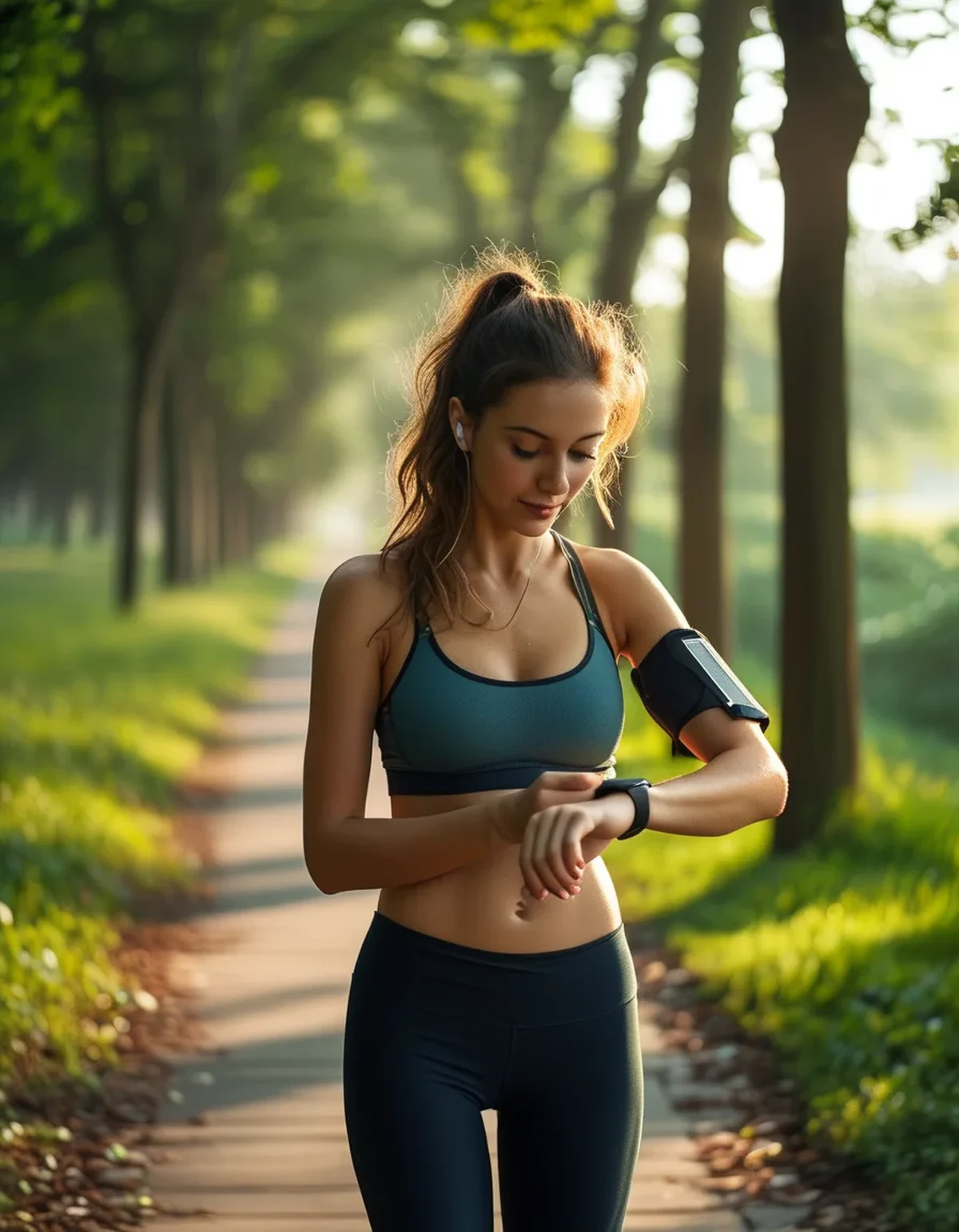
How it is usually estimated: by wearable devices, using heart rate response relative to pace or power. These estimates correlate reasonably well with measured values at a population level and can be meaningfully off for an individual, often by 10 to 15 percent. Treat a watch estimate as useful for tracking your own trend over time and unreliable as an absolute number to compare against a chart.
Submaximal field tests such as the Cooper 12-minute test, the Rockport walk test, or a 1.5-mile time trial give better absolute estimates than a wearable for most people, and they require you to work hard for a sustained period.
How strong is the mortality association, really?
Strong enough that it changes how you should prioritize training, and the size of the effect is worth stating carefully.
The largest single analysis of its kind, a retrospective cohort of more than 120,000 patients who underwent treadmill testing at a major US health system, found a graded inverse relationship between cardiorespiratory fitness and all-cause mortality across every category. Compared with the least fit quintile, each successive fitness category showed lower mortality risk, and the elite group had substantially lower risk than the merely above-average group.
Two findings from that work stand out:
First, no upper limit was observed. The researchers looked specifically for evidence that extreme fitness carried harm, a question that had been raised in earlier literature, and did not find it. Higher was better throughout the range studied.
Second, the largest absolute benefit is at the bottom. Moving from the least fit fifth of the population into the next fifth was associated with the single largest reduction in mortality risk of any step in the distribution. Going from unfit to moderately fit matters more than going from fit to very fit.
For context on the magnitude: in that analysis, low cardiorespiratory fitness was associated with a risk comparable to or greater than well-established risk factors including smoking, diabetes, and hypertension. That comparison is the reason this marker deserves more attention than it typically receives.
The honest caveats:
- These are observational data. Fit people differ from unfit people in many ways, and reverse causation, where undiagnosed illness lowers fitness rather than the other way round, is a genuine concern that studies attempt to address by excluding early deaths.
- Intervention trials show that training raises VO2 max reliably. Trials showing that raising VO2 max extends lifespan in humans would take decades and do not exist.
- The mechanism is plausible and multi-factorial, and the causal chain is inferred rather than demonstrated.
What that adds up to: a very strong, dose-dependent association with a plausible mechanism and a cheap, low-risk intervention. That is enough to act on, and it is worth knowing what kind of evidence it is.
What do the numbers actually mean for you?
Absolute values only make sense against age and sex norms, because VO2 max declines with age in everyone.
Rough reference ranges for women, in ml/kg/min, with substantial variation between reference populations:
- Age 20 to 29: below 30 is low, 30 to 37 is fair to average, 38 to 44 is good, above 45 is excellent
- Age 30 to 39: below 28 is low, 28 to 34 is fair to average, 35 to 41 is good, above 42 is excellent
- Age 40 to 49: below 26 is low, 26 to 32 is fair to average, 33 to 38 is good, above 39 is excellent
- Age 50 to 59: below 23 is low, 23 to 29 is fair to average, 30 to 35 is good, above 36 is excellent
- Age 60 plus: below 21 is low, 21 to 26 is fair to average, 27 to 32 is good, above 33 is excellent
The decline rate matters more than the snapshot. VO2 max falls by roughly 10 percent per decade in sedentary adults from around age 30, and the decline accelerates after 60. In people who continue training, the rate is closer to 5 percent per decade.
A framing that makes the stakes concrete: independent living requires roughly 15 to 18 ml/kg/min for daily activities. Someone at 30 at age 50, declining at 10 percent per decade, reaches that threshold in their late seventies. Someone at 40 at age 50, declining at 5 percent per decade, does not approach it within a normal lifespan. The gap between those two trajectories is what training buys, and it is measured in years of independence rather than only in years of life.
On functional thresholds:
- Below about 18: difficulty with ordinary daily activity
- 20 to 25: manages daily life, limited reserve
- 30 to 35: comfortable capacity for most recreational activity
- 40 plus: substantial reserve at any age
Do not over-interpret a single wearable reading. If your watch says 34 and a chart says that is average, the useful information is whether it is 34 and rising or 34 and falling.
What training actually raises it?
The answer is well established and it is a combination rather than a single method.
Total aerobic volume is the foundation. The largest share of VO2 max improvement in untrained and moderately trained people comes from accumulating easy aerobic work, because that is what drives the peripheral adaptations: capillary density, mitochondrial volume, blood volume, and stroke volume.
Target: 150 to 300 minutes weekly of moderate activity, which is the range in most public health guidance and the range where the association with mortality is strongest. Zone 2, meaning a pace where you can hold a conversation with some effort, is the practical definition.
High-intensity intervals add the top end. Work at or near VO2 max stimulates the central adaptations, particularly maximal cardiac output, more efficiently per minute than easy work does.
A well-supported interval protocol:
- 4 intervals of 4 minutes at a hard but sustainable effort, roughly 90 percent of maximum heart rate, with 3 minutes of easy recovery between
- Once or twice weekly, not more
- 10 minutes easy warm-up and cool-down
This structure, often called 4x4, has been studied extensively and produces reliable VO2 max improvements across age groups including in people in their seventies and eighties.
A shorter alternative if 4 minutes is too much initially: 30 seconds hard, 30 seconds easy, repeated 10 to 20 times. Less potent per session and much more accessible.
The ratio that works: roughly 80 percent of your aerobic time easy, 20 percent hard. Most recreational exercisers do the opposite, accumulating moderate-to-hard work that is too hard to build volume and too easy to drive the top end. That middle zone is the most common training error in this area.
Strength training matters too, for a different reason. It does not raise VO2 max much directly, and muscle mass and strength are independently associated with mortality and with the ability to keep doing aerobic work as you age. Two sessions weekly is the standard recommendation, and it is complementary rather than optional.
Realistic expectations:
- Untrained people commonly gain 15 to 20 percent in 8 to 12 weeks
- Moderately trained people gain 5 to 10 percent over a similar period
- Well-trained people gain very little, and maintain
- Genetic response varies substantially. Some people respond strongly to a given programme and others respond modestly to the same work, which is documented and not a reflection of effort.
Does it still work if you start late?
Yes, and this is one of the more encouraging findings in the area.
Training response is preserved into old age. Studies of previously sedentary adults in their seventies and eighties show meaningful VO2 max improvements from structured aerobic training, in percentage terms comparable to younger adults, from a lower starting point.
The mortality association holds across ages too. In the large cohort work, the fitness-mortality relationship was present in older age groups, and in some analyses the absolute benefit of higher fitness was larger in older participants, because their baseline risk was higher.
Changing category matters, not just starting. Longitudinal studies with repeated fitness testing find that people who improve from unfit to fit over several years have substantially lower subsequent mortality than those who stay unfit. Fitness is a modifiable exposure, not a fixed trait.
What changes with age is the approach rather than the principle:
- More warm-up. Longer, more gradual, particularly before intervals.
- More recovery between hard sessions. 72 hours rather than 48 for many people over 50.
- Lower-impact modalities. Cycling, swimming, elliptical, and incline walking all raise VO2 max, and joint tolerance often decides adherence more than physiology does.
- Progress volume before intensity. Build to 150 minutes weekly of easy work before adding hard intervals.
A specific note on medical clearance: if you are over 45, have known cardiovascular disease, diabetes, or symptoms including chest discomfort, unusual breathlessness, or dizziness with exertion, talk to a clinician before starting high-intensity intervals. Moderate walking generally needs no clearance. The intervals are the part that warrants a conversation.
On the anxiety this topic can produce: the framing of fitness as a mortality predictor can make training feel like a test you are failing. The more useful reading of the literature is that the largest gains are at the bottom of the distribution, which means the person with the most to gain is the person who has not started. Going from nothing to twenty minutes of walking most days is the single highest-value change available in this entire subject, and it is a much smaller ask than the numbers above imply.
What else moves the number, beyond training?
Several inputs affect VO2 max and its measurement, and some are worth knowing so you do not misread your own data.
Body composition changes the ratio. VO2 max is expressed per kilogram of body weight, so losing fat mass raises the number without any change in absolute oxygen consumption. This is real in terms of functional capacity, since you have to carry the weight, and it is not the same as improved cardiac output.
Anaemia lowers it directly. Low haemoglobin reduces oxygen carrying capacity. Iron deficiency is common in women, particularly with heavy periods or in endurance athletes, and correcting it can improve VO2 max substantially and quickly. Worth testing if your fitness has dropped without a change in training.
Altitude reduces it acutely and drives adaptations over weeks. If you have moved or travelled, that explains a shift.
Heat and dehydration reduce measured values on the day. A test in humid August conditions reads lower than the same fitness in October. This matters for wearable estimates, which is a common reason people see a summer dip that is not a fitness loss.
Sleep and stress affect measurement and adaptation. Poor sleep reduces performance on the day and blunts the training response over weeks.
Some medications matter. Beta blockers lower maximum heart rate, which affects both performance and the heart-rate-based estimates wearables use. If you are on one, wearable VO2 max estimates are unreliable for you.
Detraining is faster than training. Meaningful declines appear within two to four weeks of stopping, with the peripheral adaptations lasting longer than the central ones. Consistency across months matters more than any individual session.
Seasonal note, since it affects both the number and the plan: late summer heat and humidity suppress both measured and estimated VO2 max, so a dip on your watch right now is often environmental rather than real. It is also the transition point where outdoor aerobic volume becomes easier to accumulate as temperatures drop, which makes the next eight to ten weeks the most productive stretch of the year for base building. If you want to raise your number by spring, the volume you accumulate this autumn is what does it.
This is general information, not medical advice. Chest pain, unusual breathlessness, palpitations, or fainting with exertion require medical assessment before continuing to train.
FAQ: VO2 Max and Longevity Questions, Answered
Is VO2 max really one of the strongest predictors of lifespan?
It is among the strongest single measurable markers in observational research, with large cohort studies showing graded lower mortality at each higher fitness level and low fitness carrying risk comparable to established factors like smoking and diabetes. The data are observational, and the association is consistent and dose-dependent.
How much can I improve my VO2 max?
Untrained people commonly gain 15 to 20 percent in 8 to 12 weeks. Moderately trained people gain 5 to 10 percent. Response varies genetically, and training response is preserved into the seventies and eighties.
What is the best workout for VO2 max?
A combination: 150 to 300 weekly minutes of easy aerobic work as the base, plus one or two sessions of intervals such as four 4-minute hard efforts with 3-minute recoveries. Roughly 80 percent easy, 20 percent hard.
Are smartwatch VO2 max estimates accurate?
Useful for tracking your own trend, unreliable as an absolute number. Individual error of 10 to 15 percent is common, and estimates are invalid if you take beta blockers. A field test such as a 1.5-mile time trial gives a better absolute figure.
TL;DR:
- VO2 max is an integrated measure of heart, blood, vasculature, and muscle, which is why it predicts all-cause mortality so strongly.
- The largest cohort analysis found lower mortality at every higher fitness level, with no observed upper limit and the biggest gains at the bottom of the distribution.
- The decline rate matters more than the snapshot. Roughly 10 percent per decade sedentary, closer to 5 percent in people who keep training.
- Build with 150 to 300 weekly minutes of easy aerobic work plus one or two interval sessions. Roughly 80 percent easy, 20 percent hard.
- Training response is preserved into the eighties, and improving from unfit to fit is associated with substantially lower subsequent mortality.
If you take one thing from the research, take this: the person with the most to gain is the one who has not started. Twenty minutes of walking most days is the highest-value change in this entire subject.
Keep Reading
This article is for general informational purposes only and is not medical advice. Always consult a qualified health professional for guidance specific to you.